Wildfire Management: How Firefighters Plan and Control Fires
Managing a wildfire requires a strategic plan that can adapt quickly to changing conditions. Firefighters assess multiple factors such as terrain, weather, and nearby structures to determine the safest and most effective way to control and contain a fire.
Colorado Mastication · May 10, 2026
Wildfire management is especially important in Douglas county, Colorado, where dry conditions and high winds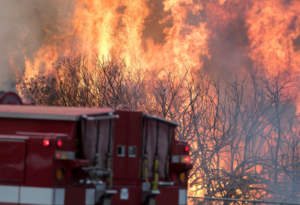 can quickly increase fire risk.
What Goes into Wildfire Attack Plan?
When it comes to fire attack plan, firefighters will need to look at the current size of the fire and the area that it is in. The area will affect the types of fuels around that will cause different speeds and needs.
Firefighters will also look at the location in terms of homes nearby and any livestock in the area. They need to be tackled quickly to preserve lives. The weather conditions and topography also need to be considered as they will affect the movement of the fire.
Decisions may need to change at a moment’s notice. Fires are unpredictable, and a more emergent situation may occur.
There is always one head of fire department to make final decisions. They are trained in handling all the information to put the safety of all crews first.
Structure Triage During Wildfires
All structures will fall into three categories. They are:
- Need no or little immediate protection
- Those that can be saved with help
- Those that can’t be saved at all
The triage is needed to ensure mitigation can happen to focus on the areas that can be saved and to protect the lives of firefighters.
What Is LCES and Why It Matters
All wildfire firefighters will follow the LCES process. This is having Lookouts, maintaining Communication, planning Escapes, and having a Safety zone.
With these areas established, there’s a better chance that the fire can be outflanked. Anchor points can be created to work around the fire to push it inward. Firefighters can create a fire line and some natural defenses to limit the further spread. These lines need to be consistently monitored, though.
Wildfire Control Tactics: Coyote Strategy and Burnouts
While firefighters will follow a shift rotation, there are some that will remain out in the field for multiple shifts. They use what is known as “coyote tactics,” eating rations and sleeping outside overnight. They are trained to be self-sufficient for this need.
Burnout fires are used to help with mitigating the spread of the fire. Firefighters will choose specific parts of the land to “burn out” the area. This prevents fuel for a fire, and it is common for fires with flames that are less than 4ft.
After that, the heat is too intense. While some trucks can knock down some of the flames, it can still be too hot for the firefighters to get in. “Backfiring” can be created through the use of bulldozers to help change the direction or alter the convection column to slow down the fire.
Once the flames hit 11ft in height, the firefighters will pull out. Even air attacks won’t stop these.
Frequently Asked Questions:
What is a wildfire attack plan?
A wildfire attack plan is a strategy used by firefighters to assess fire size, terrain, weather, and risks to determine how to control the fire safely.
What does LCES stand for in wildfire fighting?
LCES stands for Lookouts, Communication, Escape routes, and Safety zones—key safety elements used by firefighters.
What is structure triage in wildfires?
Structure triage is the process of prioritizing which buildings can be saved, which need protection, and which cannot be saved.
What are burnout fires?
Burnout fires are controlled burns set by firefighters to remove fuel and slow the spread of a wildfire.
When do firefighters pull back from a wildfire?
Firefighters may pull back when conditions become too dangerous, such as when flames become too intense or unpredictable.
Understanding how wildfires are managed can help homeowners better prepare and respond during fire season. Staying informed about fire behavior and safety strategies is key to protecting your property and your family.
Wildfires can change rapidly, but understanding how firefighters plan and respond can help you stay better prepared. By taking proactive steps—like reducing vegetation and improving defensible space—you can significantly lower your risk. Colorado Mastication specializes in wildfire mitigation services to help protect your property and surrounding land. Call (719) 400-9104 or email office@coloradomastication.com to learn how you can better prepare for wildfire season.
Free Quote · No Obligation
Want this handled on your own property? The walk-through is free
Or call the shop: (719) 400-9104