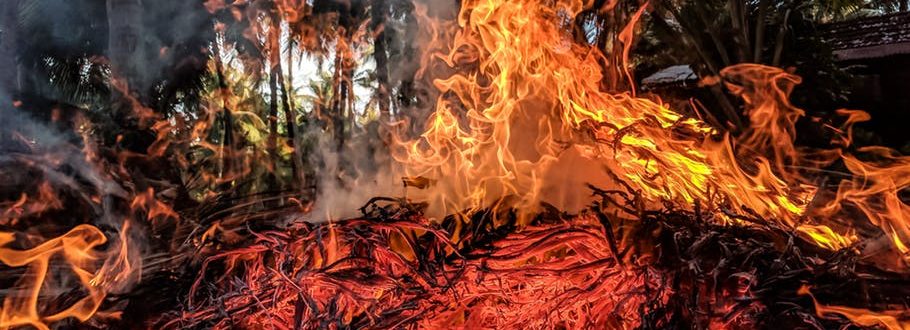
Many of the plants within areas that are known for wildfires will survive. However, they’ve had to adapt to the climate, making sure they’re as resistant as possible while also finding ways to grow in the soil. Just how have they adapted over the centuries? The Different Ways Plants Have Adapted There are many ways a plant can adapt to life in a wildfire-prone world. The majority of them adapt physically, gaining some sort of protection against the heat that occurs during the fiery event. That being said, some will adapt to become more flammable. They help with the spread of fire naturally to help reduce the competition of those plants that can’t or haven’t adapted yet. They also adapt

(719) 400-9104
office@coloradomastication.com
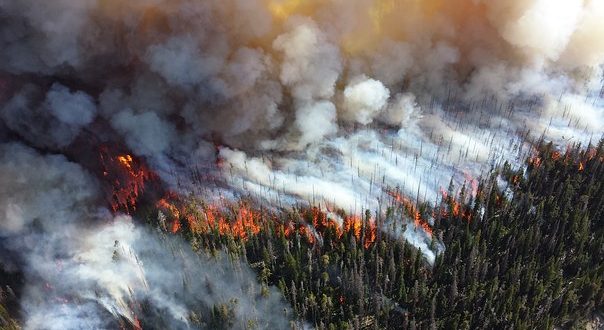
We’ve seen many wildfires throughout history. People create fires and that has a direct effect on vegetation’s evolution. In areas of extended dryness, wildfires are far more common than in areas with moisture. That’s why areas in Australia, South Africa, and parts to the United States see wildfires more often than parts of Europe. Due to the increased risk of wildfires, the forests and wildlife have had to adapt and evolve. In fact, some species now even depend on wildfires to survive, reproduce, and continue to grow! Here’s a look at the ecology of wildfire. Putting Nutrients Back Into the Ground Fire burns off the material, but the nutrients from plants will be returned back to the soil. In some
We know that wildfires are dangerous. They put lives at risk and destroy communities. However, there are many other reasons to prevent wildfires in an area. They have a direct effect on climate change and the environment. The effects they have are amazing. Here’s a look at how those wildfires are doing long-term damage. A Change to the Regional Weather Patterns Have you ever wondered why some years we’ll see more severe droughts than others? Or some winters we’ll see colder temperatures? And in recent years, the summers have become unbearably hot and the winters much colder than ever before. That’s all linked to the change to the weather patterns, which wildfires are contributing towards. Because of the change in
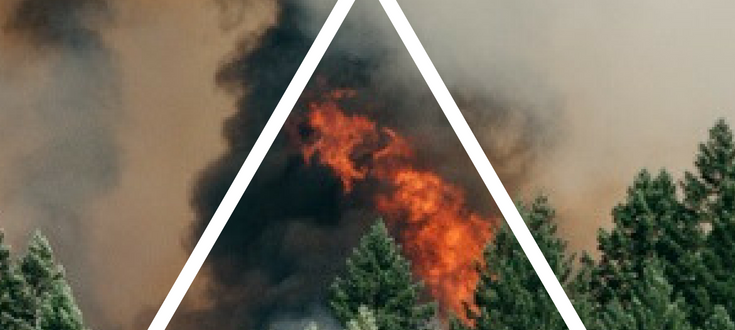
Wildfires are devastating. They don’t just affect the homes of people, but the homes of the wildlife. These fires can destroy miles of beautiful forestry and put lives in danger. It’s important to understand why and how wildfires occur so you can do your part in preventing them. It takes three items to make a wildfire happen. The ignition source needs to come into contact with a combustible material, and to spread, it needs enough heat and oxygen. In cases of wildfire, the ignition source usually comes into contact with some vegetation and that spreads rapidly. The Heat Needed for a Fire Fires need the right temperature to burn and spread. At 450F, wood will release flammable gases, but it’s
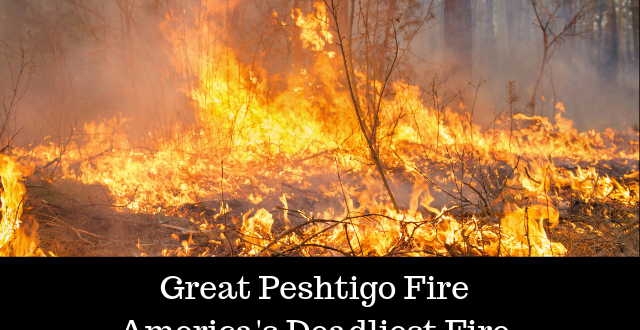
What occurred on the 5th of October 1871 was one of the deadliest fires the US has ever encountered. The Great Peshtigo Fire claimed around 1200 people’s lives and 1.5 acres of pine forest. The nearest town was Peshtigo (hence the name) and it was reported that only one building was left standing after the Peshtigo fire. How did the fire start? As years go, 1871 was an extremely dry one. A drought had completely dried up creeks, other bodies of water and the surrounding trees were also begging for water. These pine trees had shed their needles and these lay on the forest floor. These pine needles along with a lot of sawdust and slash (Peshtigo was a lumbering