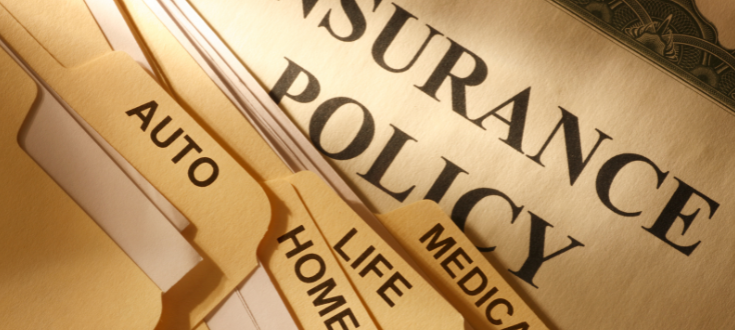
You may think something in your home is repairable, but your insurance company may not. Then there are times when the insurance company believes the items are repairable, even if you think replacing is a better idea. A public adjustor can help with this situation, making sure you get everything you need. Problems with Proving the Damage There are times when adjustors will look at items and decide that the item hasn’t been damaged by the fire. It may have been preexisting or not considered damaged at all, and this leads to you not getting the insurance coverage that you need. There are also disagreements over the cost of the repairs. All of this delays the payment you get to

(719) 400-9104
office@coloradomastication.com

Just because a tree has been heavily scorched in a wildfire doesn’t mean that it is dead. A lot of trees have a high chance of survival, and it’s important to evaluate every tree in the area to determine whether they can be salvaged or need replanting. Assessing the Survival of a Tree Ponderosa pines have thick barks and deep roots. This makes them more likely to survive a fire, because they are able to gain more moisture and hold onto it. The fire isn’t going to easily burn that material as it runs through. However, if the area was filled with a Colorado blue spruce, there’s a high chance that the tree is damaged beyond repair. The roots
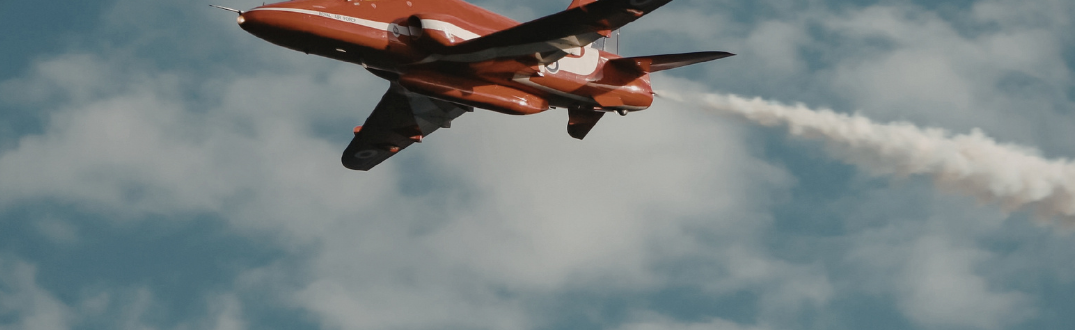
Aerial Firefighting Tackling is smaller fire is much easier, cost effective, and safer than tackling something big. Air tankers will help to put out these small fires. While they certainly sound expensive coming in at $50,000, they can end up saving millions of dollars if the fire is allowed to get out of control. Buying Time for the Ground Crews Deploying planes early will give the ground crews more time. Everything works together to make sure the fire is put out as soon as possible. The planes can drop larger levels of water over the top of the fire, helping to prevent fires from getting out of control. Water is usually used directly on to the flames. Some of the

After a fire, the land becomes more water resistant than ever before. The trees and brush will leave a waxy layer over the soil, and this causes problems when there are large amounts of rainfall. You need to take steps to prevent erosion and flooding. Test the Ground The first thing to do is put a drop of water on the soil to see if it absorbs. You can remove layers of soil and test again to see how far down the waxy layer goes. Your local forest service will have tips to handle this problem. There is a threat to lives if the soil isn’t treated, and you end up with a risk to your property due to flooding.

When firefighters say that a fire is contained, it does not mean that the fire is out. It means that the fire is unlikely to spread further. There are different levels of containment for firefighters to understand. There Is Still a Chance the Fire can Spread While the fire is contained, it is still burning. There’s a chance that a spot fire can escape or that an ember can move into an unburned area. Fires can reburn if there is any element of fuel left unburned from the first time. Firefighters aren’t going to let you back into the area until they know that all embers are out. Containment just makes it easier for them to handle. Partial vs. Fully

Surviving a wildfire is stressful, but everyone relates to that stress in a different way. For some people, it’s a case of getting on with it, but others can have PTSD, survivor’s guilt, and more. Your neighbor may have lost everything, but you lost nothing. This can lead to guilt, but it can also lead to anger from the neighbor. Just remember that the way the fire hit wasn’t your fault. Getting Back to Normal Routines One of the best things people can do after a wildfire is to get back to their normal routines. This can be difficult if you’ve lost it all. You need to go through the process of rebuilding or relocating. However, once you’ve handled the

While there are often evacuation orders during wildfires, they can come too late. There may not be a way out whether it’s because the fires have surrounded you or the roads have become blocked. You’re caught at home in the middle of a wildfire, and now you need to act. The majority of people trapped at home during a wildfire die due to inhaling the air. It’s hotter than normal, causing the lungs to end up damaged. You need to protect your airways and find a way to avoid the heat. What are your options? Sheltering at Home Is Safer Than Attempting to Run If you missed the evacuation orders or they came through too late, you may feel like
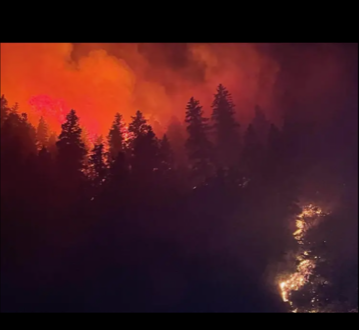
There are times when there may be an evacuation in the future. You can get an alert hours from when the evacuation if going to happen. This doesn’t mean that it will happen, but you want to be prepared. Make sure your five-minute and one-hour evacuation lists have been completed. Now you have time to pack up more in the house. Grab More Groceries for the Run You will find that most people will rush straight to the grocery store when they get these longer evacuation orders. So, you will end up fighting in the crowd. However, it’s a good idea to run out for extra supplies if you don’t have them in the house. Some of the most important
It doesn’t matter how prepared you are when it comes to an evacuation order. The adrenaline starts running, and common sense really does go out of the window. People see the list, but they don’t always know what to do. This is where practice runs are important. You want to get a practice run of everything in the house, and you’ll want a practice run of where you’re going and the route you will take to get out. Talk to Local Firehouses About Practice Runs Some fire departments understand the importance of practice runs. They can set up test evacuation calls for the entire district, making sure that everyone in the area knows what the firefighters will do and the

There are times when you get a warning of an impending disaster. You’ll usually see the “be prepared to evacuate” warnings on your TV or on the radio. Take these seriously and make sure you’re prepared. The one-hour list will start with everything that is on the five-minute list. That’s always going to be necessary as there isn’t always the advance warning of a wildfire approaching or a disaster happening. There are items that you can pack on top of that. These are items that you don’t want to lose forever, including sentimental items and heirlooms. You will also have more time to grab extra clothes and some sort of alternative transportation like a bike. You’re not taking the whole