
Containment of Fire
When firefighters say that a fire is contained, it does not mean that the fire is out. It means that the fire is unlikely to spread further. There are different levels of containment for firefighters to understand.
Colorado Mastication · February 24, 2026
There Is Still a Chance the Fire can Spread
While the fire is contained, it is still burning. There’s a chance that a spot fire can escape or that an ember can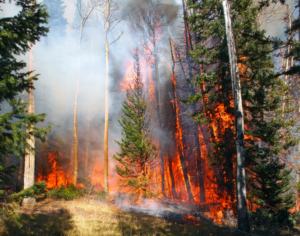 move into an unburned area. Fires can reburn if there is any element of fuel left unburned from the first time.
Firefighters aren’t going to let you back into the area until they know that all embers are out. Containment just makes it easier for them to handle.
Partial vs. Fully Contained Fires
A partial containment means that only a percentage of the fire is surrounded by the control line. There is still a way for the fire to advance. The firefighters will usually have a number percentage to report back to higher-ups.
It is possible for fires that are considered 80% contained to end up spreading. If the wind picks up, the fires will change direction and burn other fuel. So, firefighters will always have their guards up.
It’s rare to hear that a fire is fully contained. Instead, you’ll hear that the fire is 100% out. After all, getting a fire 100% contained is almost impossible due to conditions changing quickly.
When Fires Are Allowed to Keep Burning
As long as a fire is burning into the wilderness, there are times that firefighters will allow them to keep going. This is usually in remote areas with rugged terrain. It happened in the Rocky Mountain National Park in 2012. The fire was too intense and the ground was too difficult to work on putting the fire out completely.
This is rarely done, though. It’s a last resort when it comes to putting the safety of firefighters above everything else. If there is a chance of life in the area or there’s a chance that the fire will move toward a town, then firefighters will continue to work to put out the fires. Unfortunately, this does mean a lot of wildlife will lose their homes.
Free Quote · No Obligation
Want this handled on your own property? The walk-through is free
Or call the shop: (719) 400-9104