
Aerial Firefighting: How Air Tankers Stop Wildfires Before They Spread
Learn how aerial firefighting works, from air tankers and fire retardants to helicopters. Discover how early air attacks save lives, reduce costs, and stop wildfires from spreading.
Colorado Mastication · March 24, 2026
Aerial Firefighting
Tackling is smaller fire is much easier, cost effective, and safer than tackling something big. Air tankers will help to put out these small fires. While they certainly sound expensive coming in at $50,000, they can end up saving millions of dollars if the fire is allowed to get out of control.
Buying Time for the Ground Crews
Deploying planes early will give the ground crews more time. Everything works together to make sure the fire is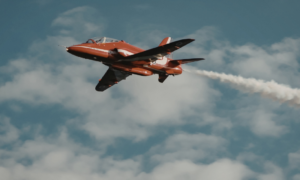 put out as soon as possible. The planes can drop larger levels of water over the top of the fire, helping to prevent fires from getting out of control.
Water is usually used directly on to the flames. Some of the planes will carry retardants and gels to drop in front of the fire and create a fire break.
Phos-Chek is one of the most popular fire retardants used. It needs to be laid down early to have maximum effect, though. FireIce is a gel that is also used, with half of the gel being laid on the fire and half of it on unburned areas.
While Canada and some other parts of the world use gel on houses, it’s underutilized in the United States. There is a push to have it used more.
The Struggle of Air Attacks on the Fires
There is a limit to how much the planes can be used. They don’t have the technology to safely fly overnight, and they do struggle when the surface winds are more than 35mph. This usually means that the planes can only be used during the early morning up until around noon.
Of course, the fire is raging at its worse during the high winds. It puts the ground crews at more risk.
There is also a drop in the number of planes available. There used to be 44 air tankers in 2002, but by 2012, there were only 10. The Air Force Reserve will help when needed, but it’s why there is a call for international firefighters to come in to help. The Air Force won’t come in until all air tankers are in use, which is controversial considering some of the Air Force planes could be closer! Plus, the sooner the better with a fire.
There is also an issue with how slow some of the planes move. The C-130s that the Air Force use hold 3000 gallons of retardant but only travel at 210 mph. The British Aerospace jets can hold 3000 gallons but travel at almost 400mph. There is a push to replace the C-130s with these Aerospace jets. There are other options out there that are still not authorized, but it’s clear that they are needed.
Crop Planes and Large Planes Working Together
Crop planes and helicopters are pulled in to help manage situations with more precision. They work with the larger planes to make sure more areas are covered, and the right sections are hit with the retardants. Small planes, known as Single Engine Air Tankers (SEATs), and helicopters will get closer to the fire lines to make sure the gaps are filled.
Smaller plans will need more passes, though. They carry a little less and they need to get closer to hit the exact area. They will also move in to find the safest route for the larger planes.
Helicopters are also being deployed more to help with the night-time needs. The pilots can use night-vision goggles to make it possible to manage the fires during the more optimum and safer times. The temperatures and wind speeds tend to drop overnight, making it easier to tackle a situation.
Free Quote · No Obligation
Want this handled on your own property? The walk-through is free
Or call the shop: (719) 400-9104