

Wildfire Fire Trucks: Understanding Wildland Firefighting Vehicles
Wildfires require specialized firefighting equipment designed for rough terrain, limited water access, and rapidly changing fire conditions. Unlike urban fire trucks, wildland firefighting vehicles are built to move quickly through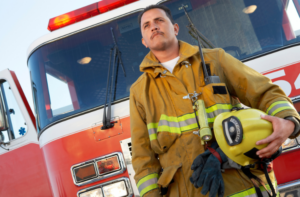 difficult environments while carrying their own water supply.
Wildfire-ready equipment is especially important in Colorado, where rugged terrain and dry conditions increase wildfire risk.
Why Urban Fire Trucks Aren’t Used for Wildfires
Urban fire vehicles don’t carry their own water. They rely on the water from fire hydrants around the city, which is fine when it comes to local needs. On top of that, they can only work when stationary in a lot of cases.
Wildfires don’t have hydrants nearby in a lot of cases. And there are times that the firetrucks need to keep moving due to safety needs.
As well as all this, the firetrucks are large and bulky. It’s much harder to get around the twisty roads at higher speeds. Wildfire trucks are much smaller with four-wheel drive. It allows them to get through the areas in a hurry to tackle these fires that can quickly get out of control.
The Different Types of Wildfire Vehicles
Like urban firefighters have different types of vehicles, wildfire vehicles come with five classifications. They carry different levels of water and are fitted for different purposes depending on the needs in the area.
Type 3 trucks will carry between 500 and 1,000 gallons of water, and their hose runs for at least 1,500ft to make sure they can cover larger sections of the area. Type 6 and 7 vehicles are smaller, so they have around 250 and 500 gallons of water and just a 600ft hose. However, they tend to be fitted with medical and rescue needs.
Then you have the Type 1 to Type 3 support tender engines. They have between 5,000 and 1,000 gallons of water respectively, and they shuttle the water between the reservoirs and the cisterns to the firetrucks. They don’t have the ability to fight the actual fire, so they are deployed with the firefighting trucks. This is similar to urban firefighting.
Bulldozers are also used to help with the ability to reduce the fire severity. They will cut a fire line quickly, clearing between 7ft and 16ft of earth. They are slow and prone to rolling, but they are effective when used right. When the terrain is less rocky, a plow will be used instead.
Frequently Asked Questions
Why can’t urban fire trucks fight wildfires?
Urban fire trucks rely on fire hydrants and are too large for rough wildfire terrain and narrow mountain roads.
What is a Type 3 wildfire engine?
A Type 3 fire engine is a wildland firefighting vehicle designed to carry water and operate in off-road wildfire conditions.
Why are wildfire vehicles smaller than city fire trucks?
Wildfire vehicles are built smaller and with four-wheel drive so they can travel through rough terrain safely and quickly.
What do wildfire water tenders do?
Water tenders transport water from reservoirs or cisterns to wildfire engines operating in remote areas.
How are bulldozers used during wildfires?
Bulldozers create fire lines by clearing vegetation and exposing bare earth to slow or stop fire spread.
Wildland firefighting requires specialized vehicles, equipment, and planning to safely manage fast-moving fires in difficult terrain. Understanding how wildfire crews operate can help homeowners better prepare their properties before fire season begins. Colorado Mastication provides wildfire mitigation and brush clearing services to help reduce wildfire risk and create defensible space around homes and properties. Call (719) 400-9104 or email office@coloradomastication.com to learn more.