
How Wildfires Are Managed: Firefighting Structure and Response Explained
Wildfire management can seem confusing from the outside, especially during large and fast-moving fires. Behind the scenes, firefighters follow highly organized systems to manage crews, monitor fire behavior, coordinate resources, and protect lives and property.
Colorado Mastication · June 12, 2026
Wildfire management is especially important in Colorado, where dry conditions and changing weather can quickly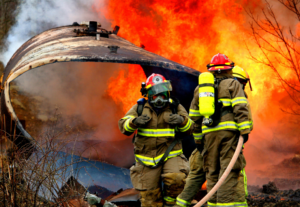 increase fire danger.
Who Do Firefighters Report To?
During a wildfire, there is always an Incident Command System in place. This ensures the chain of command and continuity of structure when the fire grows. Every country will have its own system that is similar to this.
If a fire gets sever, an Incident Management Team is pulled in. This is usually for Type 3 fires and above, and it requires multiple Area Command Teams. Each team will have their own head of reporting and then those heads will report back to the IMT. Each person only has one boss to ensure good communication. Time is of the essence.
There is a Safety Officer, who will monitor the fire and send out evacuation orders. A Liaison Officer will work with other departments for swift communication. There’s an Operations Chief for the General Staff to direct the people in the field, and there’s a Planning Chief to collect information and predict the weather and fire spread. Of course, the Logistics Chief will work out the resources to make sure everyone has what they need.
Categorizing the Wildfire
There is a need to categorize the incident that has been detected to determine the severity of it. This impacts the way the fire is fought back. Firefighters will look at the humidity, dryness of vegetation, wind speed, terrain, and even the predicted weather to figure out how fast and where the fire is likely to spread.
A lot of systems work from lowest to highest in terms of severity. Wildfires work in the opposite way. A Type 5 fire is small, while a Type 1 is a major emergency.
Understanding the System
A Type 5 fire will usually be small enough for the rural fire department to put out. It takes a few hours and up to six firefighters to manage.
A Type 4 will require more of the county or district to manage. However, it’s still relatively small enough to handle and should take hours and not days to manage.
Type 3 fires are more complex and require the Incident Management Team. These tend to cover multiple jurisdictions and can take a whole day and a little more to manage.
Type 2 and then Type 1 fires are the most severe. They will require more teams and often have people from other countries coming in to help with the situation.
The Breakdown of the Shifts
People can’t work for 24 hours straight in these conditions. There are usually 500 people working at once, and there will be operational periods to help split up the time to ensure everyone gets the rest they need but also continues to fight the fire.
These operational periods can be split from four- to 12-hour shifts depending on the severity. IMT staff must stand down for 14 hours. If they get too tired, they run the risk of making mistakes. Everyone works as a team when it comes to fire management.
Frequently Asked Questions
What is the Incident Command System in wildfire management?
The Incident Command System is a structured chain of command used to organize firefighters, resources, and emergency response during wildfires.
What is the difference between Type 1 and Type 5 wildfires?
Type 5 fires are small and usually controlled quickly, while Type 1 fires are the most severe and require large-scale emergency response teams.
Who makes decisions during a wildfire?
Incident Management Teams and command staff work together to make operational and safety decisions during wildfire events.
Why do firefighters work shifts during wildfires?
Wildfire conditions are dangerous and exhausting, so crews rotate through operational periods to reduce fatigue and maintain safety.
How do firefighters predict wildfire spread?
They monitor weather, wind, terrain, humidity, and vegetation conditions to estimate how fires may move.
Wildfire management depends on planning, communication, and quick decision-making under dangerous conditions. Understanding how firefighters organize and respond during wildfires can help homeowners better prepare for fire season and protect their property. Colorado Mastication provides wildfire mitigation and land management services designed to reduce fire risk and improve defensible space around homes and properties. Call (719) 400-9104 or email office@coloradomastication.com to learn more.
Free Quote · No Obligation
Want this handled on your own property? The walk-through is free
Or call the shop: (719) 400-9104