There are issues with some fire prevention options. Gels and foams just don’t last that long, and you’re not there to keep on top of keeping them hydrated. You need something that will offer protection for days or weeks while you have been evacuated. Fire wraps are great for this. They are as they sound: a wrap for the home. You can also opt for external sprinkler systems. Fire Wraps to Protect the Home Fire wraps offer aluminized glass fabric that creates a barrier against the fires. As the fire gets closer, the material will shield the home from around 95% of the heat. It is possible to cover the whole building within half a day for the standard cabin

(719) 400-9104
office@coloradomastication.com

A mandatory evacuation is one of the most stressful situations to be in, especially when it’s linked to a fire. You don’t know if you will have a home left, and you don’t know when you’ll be allowed back. Trying to have some warning is important. That’s why a lot of fire departments and emergency services have set up a fire watch. The Use of Lightning Detectors One of the most common ways for a fire to start is due to lightning strikes. So, emergency services tend to use lightning detectors to pinpoint the positive and negative strikes. This gives first responders an idea as to where a fire could start and deal with a situation before it gets out
Wildfires seem to creep up fast, but that doesn’t have to be the case. A lot of companies are developing systems that will help to detect wildfires. These fire sensors can even be linked to fire retardant and sprinkler systems to offer extra protection for your home. The Fire Scout Sensor System The Fire Scout is one system that works with UV, taking a look at the signature that flames give off. This makes it possible to spot a fire from as far as a quarter of a mile away.On top of that, the system will detect changes to the powerlines. As the windstorms develop, the powerlines arch. The sensors can spot this happening up to a mile away.Fire departments
The summer months bring droughts. It’s normal to see the grass start to look a little crispy, especially if there are bans on using the hoses to keep the garden fresh. There are ways to look after your garden, though. It’s all about using fire sprays and foams. You’ll want to use something to protect your garden. This protects your home from the risk of wildfires, which are common as the temperatures rise and there is no rainfall in sight. Using a Fire Retardant Spray You can get a treatment such as Unishield TG-300 to use on your garden and lawn. This is a flame retardant chemical for dry grass and brush. The great thing about this product in particular
There are various ways to fight fires around your own home. Fire gels are popular options, and they tend to last longer than fire foams. You can even reignite their benefits to keep fighting against the fires. How Long Do Fire Gels Last? It is possible to get up to 36 hours out of a fire gel. That is under the perfect conditions, though. Realistically, the gel will lose its moisture content within six to eight hours, especially if it’s a hot and windy day. Gels work through layers of slow-drying water-filled bubbles. It’s possible to get the water bubbles back by misting the gel with water. Even when you’ve left the house, you can find that gels still work.
There are all sorts of reasons to have guns in the house. They need to be stored safely, and this isn’t just to prevent small hands accidentally setting them off. Firearms can pose a danger in wildfires, especially when it comes to cartridges in the firearm. The firearms themselves pose little danger in the fire. It’s the cartridges that are filled with gunpowder. The Difference Between Loaded and Unloaded Cartridges in a Fire When temperatures get to around 320F, the unloaded cartridges pose a danger. This is the optimum temperature for the gunpowder to start cooking. However, the metal of the casings will also get weaker in the fire. When the gunpowder does go off, the metal of the casing
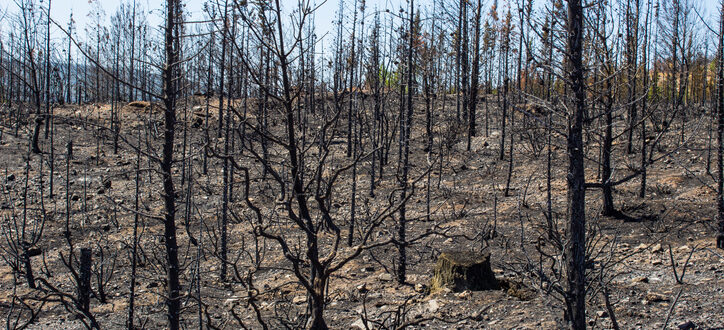
You need evacuation vehicles ready to go. These should have all the basic supplies you’ll need and be ready to run as soon as you need them. After all, you don’t know when you’ll need to evacuate your home. Make Sure the Fluid Levels Are Good During fire season, you should make sure the tanks in all your evacuation vehicles are half filled at least. This will get you out of town fast enough and then you can worry about topping up the gas after. It’s also important to check on other fluid levels. Check that the windshield wiper fluid is full. This is the most important but overlooked of all the fluids. A lot of ash can come down
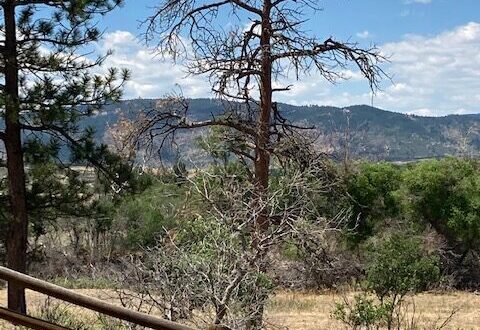
The best way to protect the Colorado forests from pests is to split the area into four sections. There are different pests more prevalent in some areas over others. Northwest Colorado has three types of pests that the Colorado State Forest Service is keeping an eye on. The CSFS looks for ways to mitigate the issues caused by pests to minimize infestations. This is also important to prevent trees from becoming susceptible to forest fires. Douglas-Fir Beetle One of the biggest concerns in the area is the Douglas-fir beetle. This is a pest that has affected other parts of Colorado as well, but it’s affected around 3,025 acres in the northwest in 2021. The drought conditions have led to an
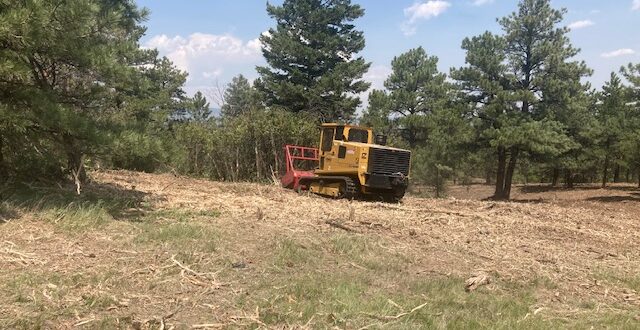
For fire mitigation in zone 1 and 2 on your property in Manitou Springs, give Colorado Mastication a call (719)400-9104. After you’ve done your fire mitigation work in Zone 1, it’s time to focus on Zone 2. You can also work on the inner parts of Zone 3. This is all part of Phase 2 of fire mitigation. This phase will also include some follow-up work in the first zone of land. However, the main focus is on the area 30 to 200 ft from your home. Thinning the Forest The first part of this phase is thinning the forests. You’ll need to create breaks in the canopy, and you’ll want to remove the trees that are more likely to

For questions about fire prevention and mitigation in Zone 3, contact Colorado Mastication at (719)400-9104. While the first two zones are the most important for your house, if you have property boundaries in Zone 3, you need to know how to protect the land. This is likely if you have more than an acre of land. Zone 3 is the wildland. Fires that start away from the home will use Zone 3 as a way to build up intensity. You can control that and slow the fires down. Managing Wildland in Zone 3 In this zone, you’re cutting the tree limbs to between four and six feet from the ground. Preventing the ladder fuel is the best way to slow