
You’re not always going to be home when an emergency strikes. You may be away for business or on vacation. Either way, there’s nothing you can do to get the items out of your house. Now what? Some communities are setting up Neighborhood Pods. They are a great option to make sure a small selection of houses are protected. What Is a Neighborhood Pod? A Neighborhood Pod is a little like a Neighborhood Watch. The collection is just smaller. You want a group of four to six adjacent houses, so you’re looking at neighbors either side of you and just across the street. You will all collect together to make sure other houses in the neighborhood are protected and the

(719) 400-9104
office@coloradomastication.com

If your home insurance company requires you to do fire mitigation on your property in Colorado, give us a call at (719)400-9104. Your home is your biggest asset, and yet a lot of people will skip over insuring it. Even when people get insurance, they assume everything is covered. However, there is a lot of fine print, and you need to make sure it’s all covered. It doesn’t matter if you rent or own. Don’t Assume Items or Types of Disasters Are Covered You would think that specific items in your home are covered if they’re damaged. You would think that wildfires are a covered occurrence to your home. The problem is that just because it makes sense that something
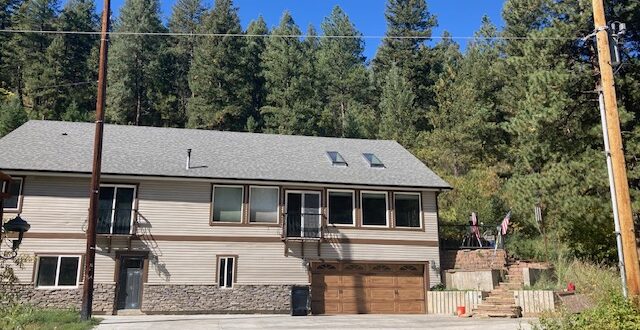
With the rise of wildfires, getting the right material for construction is essential. California was the main driver for fire-resistant construction, and now many other states have followed. However, there are dozens of standards, which makes understanding the fire ratings difficult for many. Class A or Class I Products Class A or Class I products are considered the best for managing fire risks. They are treated with the most flame-resistant chemicals, making it much harder for them to start a fire. These products are tested for 10 minutes to make sure they don’t see flames. This isn’t a national standard, but it’s a good one for many companies to follow. Class B or Class II Products The next level up
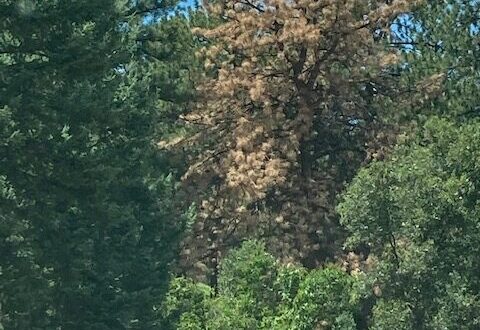
For estimate on fire mitigating beetle killed trees, you can reach us at (719)400-9104.3 While wildfires are a risk, they become more of a risk due to pests and disease. Beetle killed trees are a growing concern around Colorado, with bark beetles being the most common pest problem. Bark beetles have been responsible for the death of multiple forest areas. This spread is exponential if not controlled because the beetles don’t care about the trees—they just want a home and food. Drought-stressed trees are most at risk as they don’t have as much pitch, the main defense against beetles. Knowing a Tree Is Affected by Beetles You want to protect a tree as soon as possible. If you’re seeing the
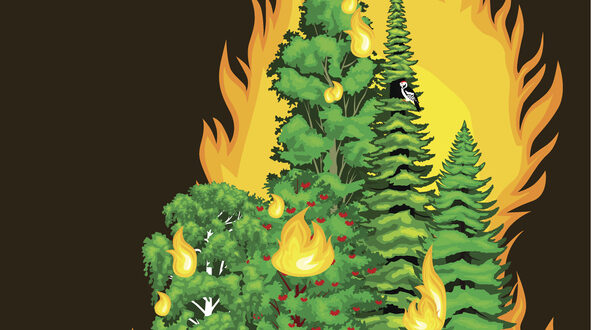
It can seem like the best thing to do in fire prone areas is to get rid of the propane tank altogether. Surely there are other options around. Well, don’t go searching for them. You can keep your propane tank and protect your home at the same time. You’ll want to buy your propane tank rather than rent it. Most rental agreements make it clear that you have to keep the tank above ground. That’s not going to keep your property safe, and it’s going to cost you more in the long run. Protecting your home isn’t going to be cheap. It is going to be the best investment for you, your family, and the entire community, though. Why Put
For questions about fire mitigation measures, call (719)400-9104. There are some states known for drought conditions in the summer months. Colorado is one of them, and the conditions are a growing concern. Due to drought, the forests have become stressed and weakened. Drought conditions have had a major impact on water supplies. It’s leading to agricultural problems, and the forests are dying. Drought will kill trees due to the need for water for survival, but there are other problems because of drought that can’t be overlooked. Drought Conditions Lead to More Wildfires There’s no doubt that the number of wildfires during the year has increased around the world. Colorado is seeing an increase, and the drought conditions are not helping
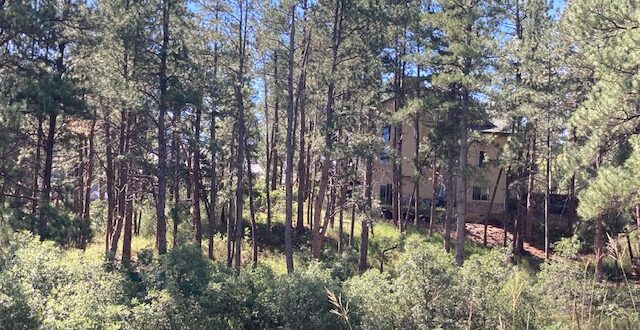
Tree thinning for forest management. (719)400-9104. Part of the forest management process is thinning out some of the forests. This usually happens in Zone 2 and beyond. However, if you have questionable trees in Zone 1, you’ll want to get rid of them, too. Getting the right trees for thinning is important. Some are going to be great for slowing down and preventing the spread of fires, while others are fuel for the wildfires. If you pick the wrong ones, you could put your home and the overall forest in more danger. Remove the Light-Starved Trees Look around the land at the way the trees look. If you find any that are scrawny and struggling to get to a light