

Erosion Control After Wildfire
After a fire, the land becomes more water resistant than ever before. The trees and brush will leave a waxy layer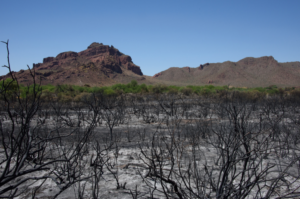 over the soil, and this causes problems when there are large amounts of rainfall. You need to take steps to prevent erosion and flooding.
Test the Ground
The first thing to do is put a drop of water on the soil to see if it absorbs. You can remove layers of soil and test again to see how far down the waxy layer goes.
Your local forest service will have tips to handle this problem. There is a threat to lives if the soil isn’t treated, and you end up with a risk to your property due to flooding.
Take Time to Reseed Properly
Reseeding is one of the best things that you can do, but it takes time to see positive effects. You also need to make sure you do it properly. It’s essential to get weed-free seeds that are appropriate for the area you’re in.
In Colorado, a mixture of slender wheatgrass, western wheatgrass, mountain bromegrass, Sandberg bluegrass, and Regreen are the best.
With the reseeding, the soil is able to absorb more water as the seeds will take it in. Just make sure you rake the soil first to get rid of that waxy layer over the top.
Use Straw Over the Top
You can also add weed-free straw over the top of your soil. You want to use about 1-2 tons for an acre of burned land, making sure there is still plenty of soil visible for good seeding. The straw will help to protect the soil as it soaks in some of the water.
It can blow away, though. Make sure you crimp it by using a square-tip shovel to push the straw about 4ins into the ground every 12ins along the soil.
Alternatively, get wood straw, as this is heavier and can withstand 40mph winds. Wood straw isn’t favorable to animals either, so they won’t affect your land.
Use Contour Logging to Your Advantage
You can also work with the burned trees in the area. Cut them down and lie them along the contour of the slope. This helps to control the direction of the water running down the hill.
Watch out when you are cutting burned trees. They snap and can fall in unexpected ways, so make sure you get a professional out to deal with this.
Create water bars along dirt roads and trails to help with the control of the flow of water. You’ll also need to clear out the debris from upstream as that will affect the way the water runs. There are high risks to roads turning into streams if the water isn’t managed during high levels of rainfall.
How to prevent erosion after a wildfire:
- Test soil for water absorption
- Reseed with native grasses
- Apply straw or mulch
- Use logs or barriers to slow runoff
- Clear debris from drainage areas